Writing Places You’ve Never Been
(Without Getting It Wrong)
When I was younger, I remember reading a scene in Percy Jackson where there’s a fight at the top of the Gateway Arch.
It was intense. Glass cracking. Characters falling toward the river below.
But something stuck with me.
If you’ve ever actually looked into the Arch—or visited it—you’d know there aren’t massive windows at the top like that. And even as a kid, that detail pulled me out of the story for a second.
Not because the scene was bad.
But because it didn’t feel real anymore.
That moment stuck with me as I started writing my own book.
I didn’t want readers to feel that break.
I wanted them to visit a place I wrote about and think:
“This is exactly how it felt.”
So the question became:
How do you write a place you’ve never been—and still get it right?
Start by Walking It (Without Being There)
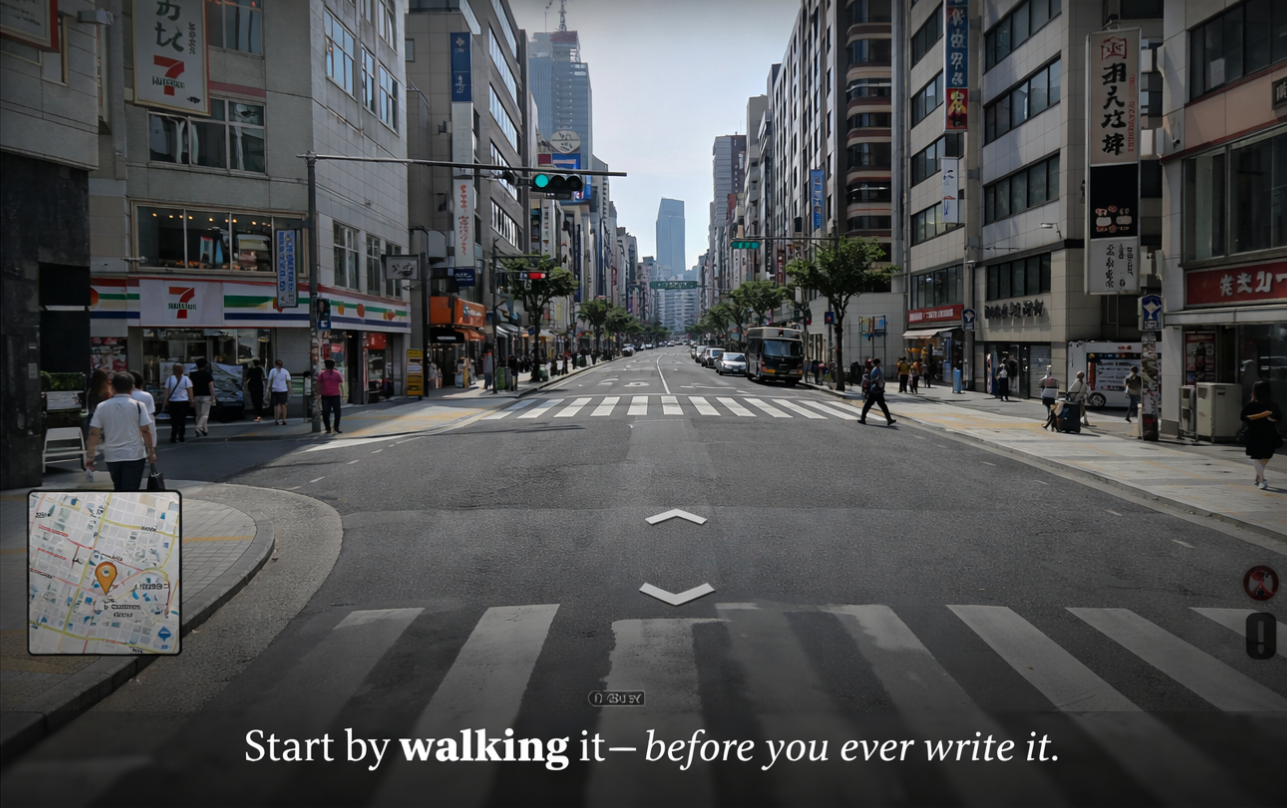
The first thing I do is open Google Maps.
Not just to look at the place—but to actually walk it.
Use Street View. Move slowly.
Turn corners. Stop in random spots.
Look for:
how wide the streets are
where people stand
what feels crowded vs empty
what draws your eye
You’re not just mapping the space.
You’re learning how someone would exist inside it.
Don’t Trust One Version of a Place
Here’s something people forget:
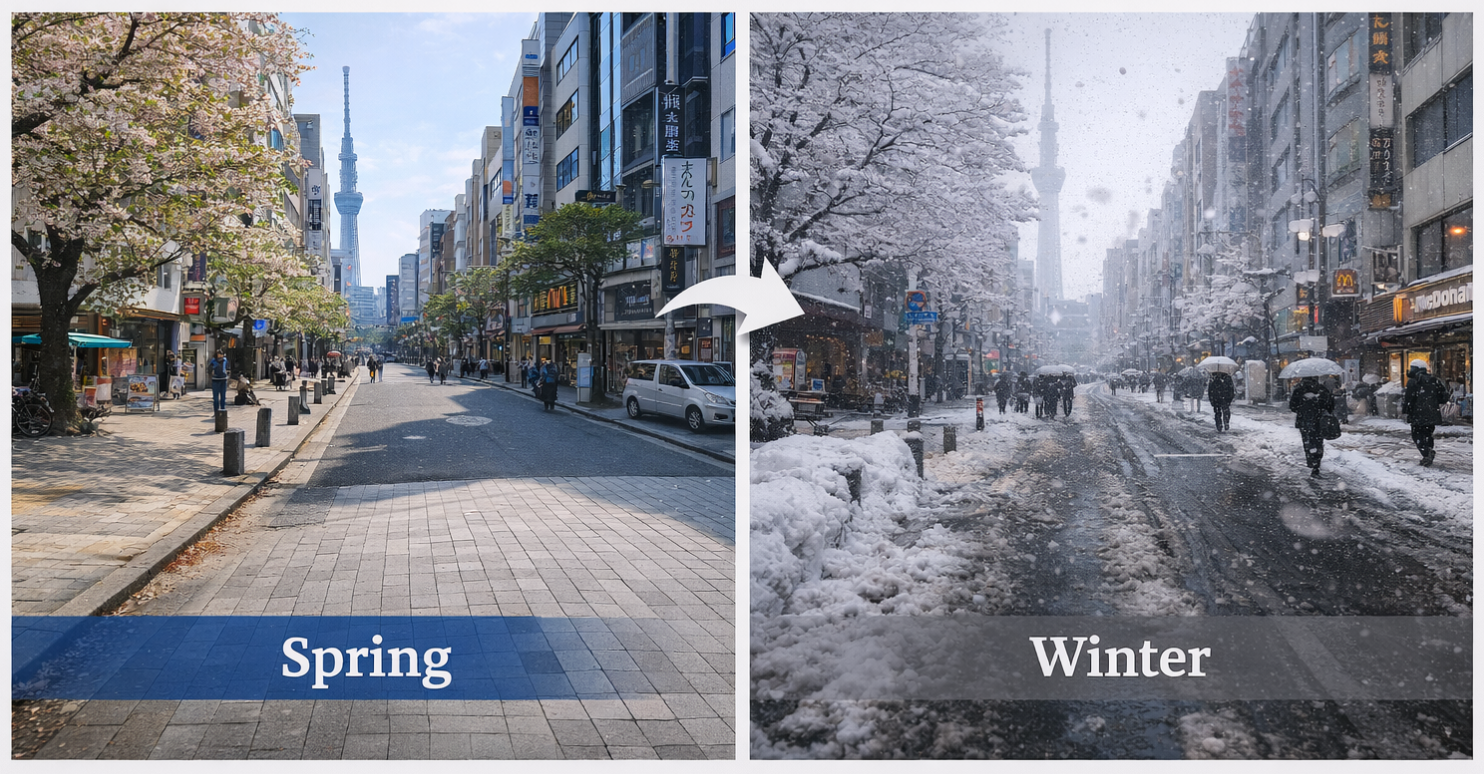
Every place changes depending on the time of year.
That peaceful street you’re looking at on Google Maps?
It might have been photographed in spring.
Come back in winter, and it could feel completely different.
So:
jump around the map
check nearby streets
look for differences in lighting, foliage, crowds
Then ask yourself:
👉 When does my scene take place?
Because the same location can feel:
warm and nostalgic
cold and isolating
chaotic and overwhelming
All depending on timing.
Read What People Actually Say About It
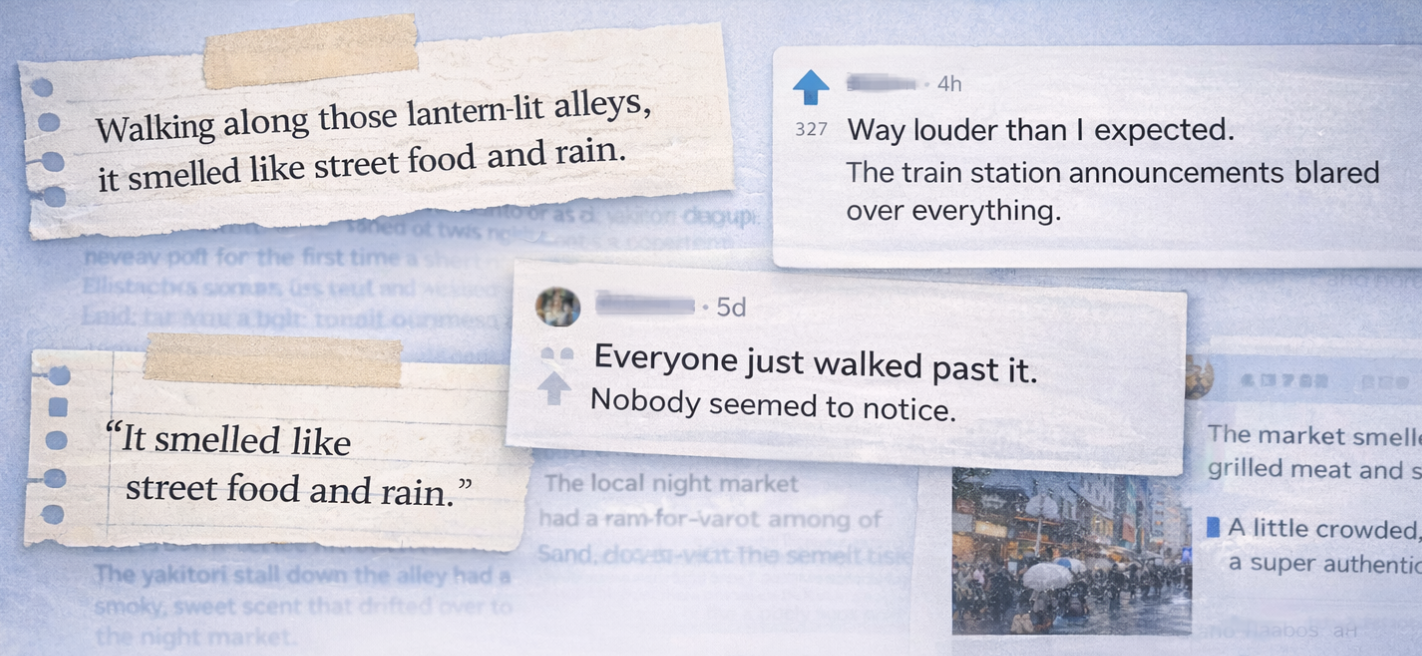
Maps show structure.
People show experience.
Look for:
blog posts
travel write-ups
Reddit threads
book scenes set in the same place
You’re looking for things like:
“it smelled like…”
“it was louder than I expected…”
“everyone just ignored it…”
Those small, human details are what make a place believable.
Watch It Move
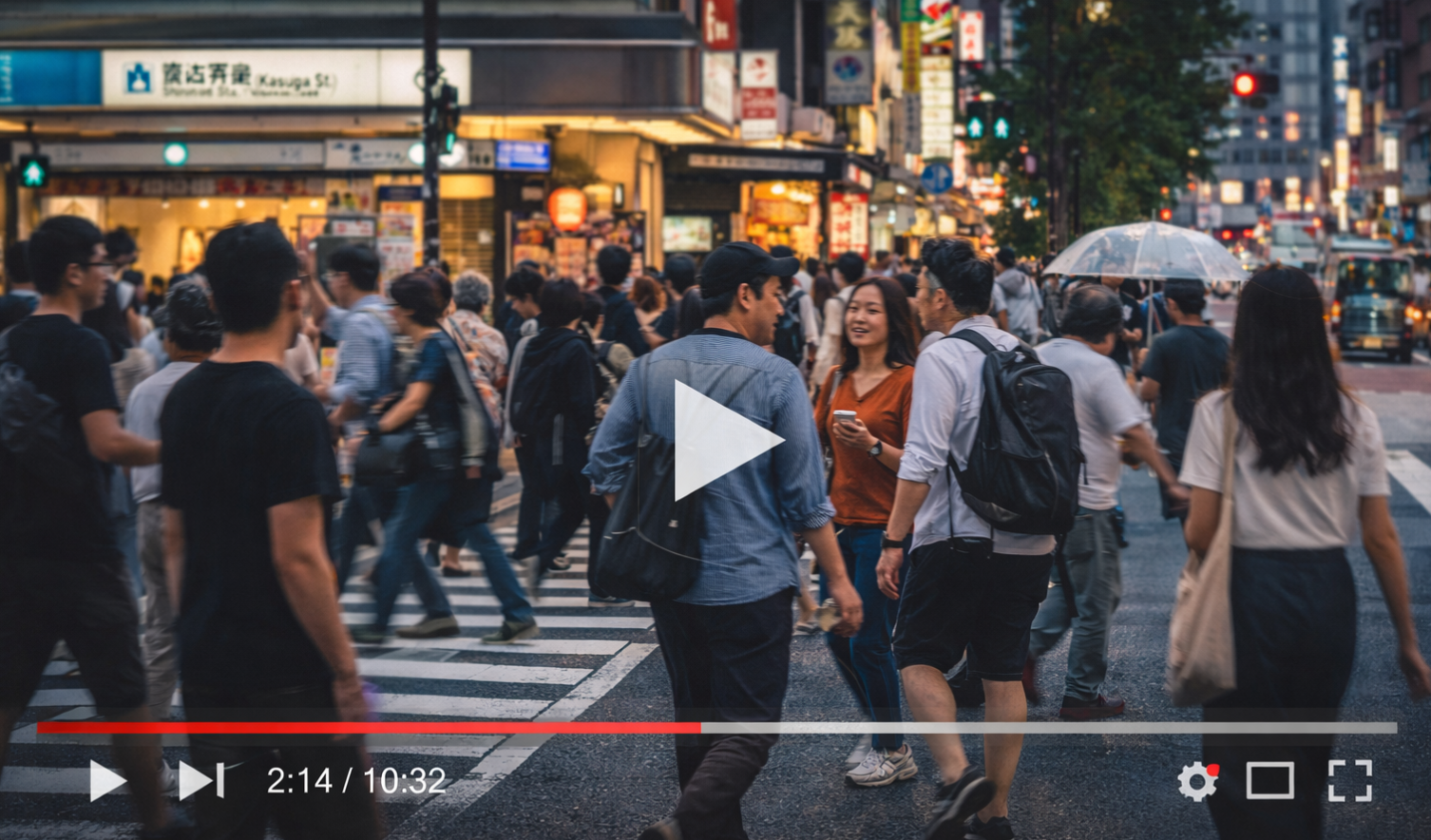
YouTube is one of the best tools for this.
Search:
walking tours
vlogs
“a day in ___” videos
Watch how people:
move through the space
interact with others
react to the environment
A place isn’t just what it looks like.
It’s how it moves.
Use Fewer Details—But Make Them Right

One of the biggest mistakes I see:
Trying to prove you’ve done your research.
Listing everything. Explaining everything.
You don’t need that.
You need:
👉 a few details that are correct and naturally placed
A single accurate detail can ground an entire scene.
Too many?
It starts to feel forced.
Let the Character Experience the Place
This is the most important part:
You’re not describing a location.
You’re showing how someone experiences it.
So instead of:
explaining the place objectively
Ask:
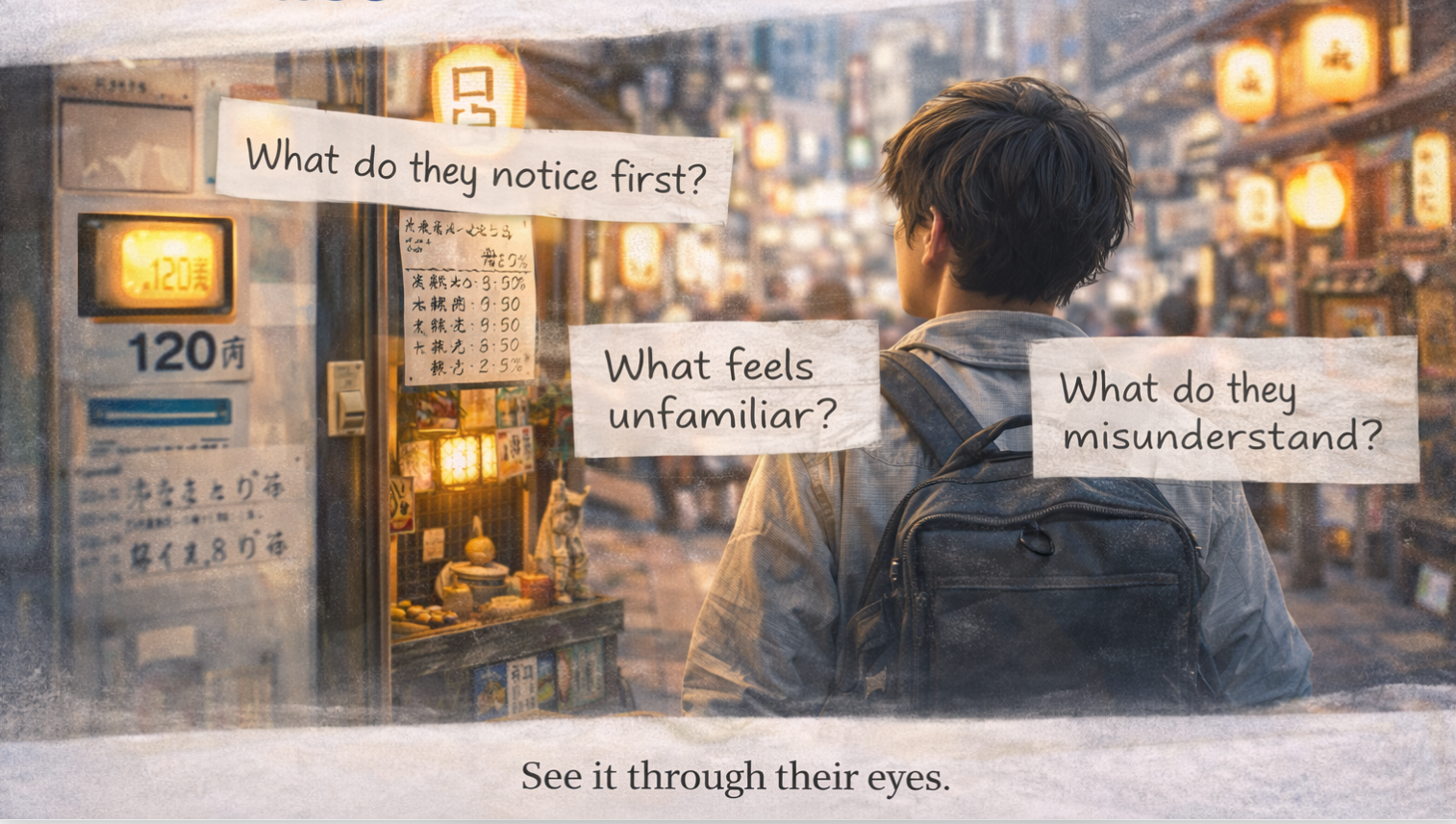
What does your character notice first?
What feels unfamiliar?
What do they misunderstand?
That’s where the realism comes from.
Final Thought
You don’t need to have been everywhere to write something that feels real.
But you do need to:
pay attention
do the work
and respect the place you’re writing about
Because readers can tell the difference.
And if you do it right…
They won’t just read your story.
They’ll feel like they’ve been there.
All images are AI Generated.
